


Starting meditation can feel difficult when you are not sure where to sit, how to breathe, what to think about, or how long you should practice. The good news is that meditation for beginners does not need to be complicated. You do not need expensive equipment, a perfect environment, or the ability to completely empty your mind.
Meditation is a broad group of mind-body practices. Some techniques involve focusing attention on the breath, a sound, a word, an image, or a physical sensation, while mindfulness practices emphasize awareness of the present moment without judging what you notice.
For a beginner, the most important goal is not to meditate perfectly. It is to develop the habit of pausing, observing your experience, and gently bringing your attention back whenever your mind wanders.
This guide explains how to meditate for beginners, which techniques you can try, how long to meditate, the best meditation positions, common mistakes, and how to build a sustainable daily meditation practice.
What Is Meditation?
Meditation is a practice that trains attention and awareness while encouraging a calmer relationship with thoughts, emotions, sensations, or other experiences.
There is no single form of meditation. Different traditions and modern programs use different techniques and goals.
Some meditation practices involve:
- Focusing on breathing
- Repeating a mantra
- Observing thoughts
- Paying attention to bodily sensations
- Practicing loving-kindness or compassion
- Using visualization
- Listening to guided instructions
- Walking mindfully
- Developing awareness of the present moment
Meditation has roots in several ancient traditions, including Indian contemplative traditions, and has also become widely used today as a secular wellness practice.
For beginners, meditation can simply mean sitting quietly for a few minutes and repeatedly returning attention to one chosen focus.
(Also Read: 11 Miraculous Benefits Of Meditation)

Is Meditation Difficult for Beginners?
Meditation is simple, but that does not necessarily mean it feels easy at first.
One of the biggest misconceptions about meditation is that you must stop thinking.
You do not need to stop your thoughts.
The mind naturally produces thoughts, memories, plans, sounds, sensations, and emotions. During meditation, the practice is often to notice when attention has wandered and gently return it to your chosen focus.
For example:
You focus on your breathing.
A thought appears:
“What should I make for dinner?”
You notice the thought.
Instead of following it, you gently return your attention to your breath.
That act of noticing and returning is part of the practice.

What Are the Benefits of Meditation for Beginners?
People meditate for many different reasons, including relaxation, self-awareness, stress management, concentration, and general well-being.
Research suggests that mindfulness and meditation practices may help with stress, anxiety symptoms, depression symptoms, and sleep quality, although the strength of evidence differs between conditions and techniques.
Some commonly explored benefits include:
1. May Help Manage Stress
Regular meditation may provide a structured opportunity to slow down and pay attention to the present moment. Mindfulness-based practices have been studied for stress management, and research suggests they may improve some measures of perceived stress.
2. May Support Relaxation
Meditation can encourage you to slow down, notice your breathing, and release some physical tension. This can make meditation a useful addition to a broader relaxation routine.
3. May Support Better Sleep
Mindfulness meditation has been studied for insomnia and sleep quality. Some research suggests it may improve sleep quality, although meditation should not be viewed as a replacement for evidence-based treatment when someone has a sleep disorder.
4. May Improve Awareness
Meditation encourages you to notice thoughts, emotions, sensations, and reactions. Over time, this practice may help you become more aware of how your attention moves throughout the day.
5. May Help With Emotional Regulation
Learning to notice an emotion without immediately reacting to it is one reason people practice mindfulness. Meditation does not eliminate difficult emotions, but it may help develop greater awareness of them.
6. May Support Concentration
Many meditation techniques repeatedly bring attention back to one object, such as breathing, a mantra, or a sound. This repeated process can make meditation a useful practice for attention training.
7. May Promote General Well-Being
Meditation is often practiced as part of a broader lifestyle that includes physical activity, adequate sleep, healthy nutrition, social connection, and other habits that support well-being.
It should be considered a complementary practice rather than a cure for medical conditions.
(Also Read: Steps, Precaution And Benefits of Linga Mudra)

How to Start Meditation as a Beginner
If you have never meditated before, start small.
You do not need to begin with a 30-minute or one-hour session.
Try 5 minutes a day for the first week.
The basic process is:
- Choose a quiet place.
- Sit comfortably.
- Keep your spine naturally upright.
- Close your eyes or soften your gaze.
- Notice your breathing.
- Allow thoughts to come and go.
- When your attention wanders, gently return to your breath.
- Continue for a few minutes.
- Slowly finish the practice.
The goal is consistency.
NHS guidance for beginners similarly emphasizes finding a comfortable place, adopting a comfortable upright position, bringing attention to the present moment, and practicing regularly.
How to Meditate for Beginners:
Here is a simple meditation method you can practice at home.
Step 1: Choose a Comfortable Place
Find a place where you are unlikely to be interrupted.
It could be:
- A quiet bedroom
- A meditation corner
- A yoga room
- A peaceful outdoor space
- A comfortable chair
- A yoga mat
You do not need a specially decorated meditation room.
A quiet, comfortable location is enough.
Step 2: Choose Your Position
Sit in a position that allows you to remain comfortable while staying reasonably alert.
You can sit:
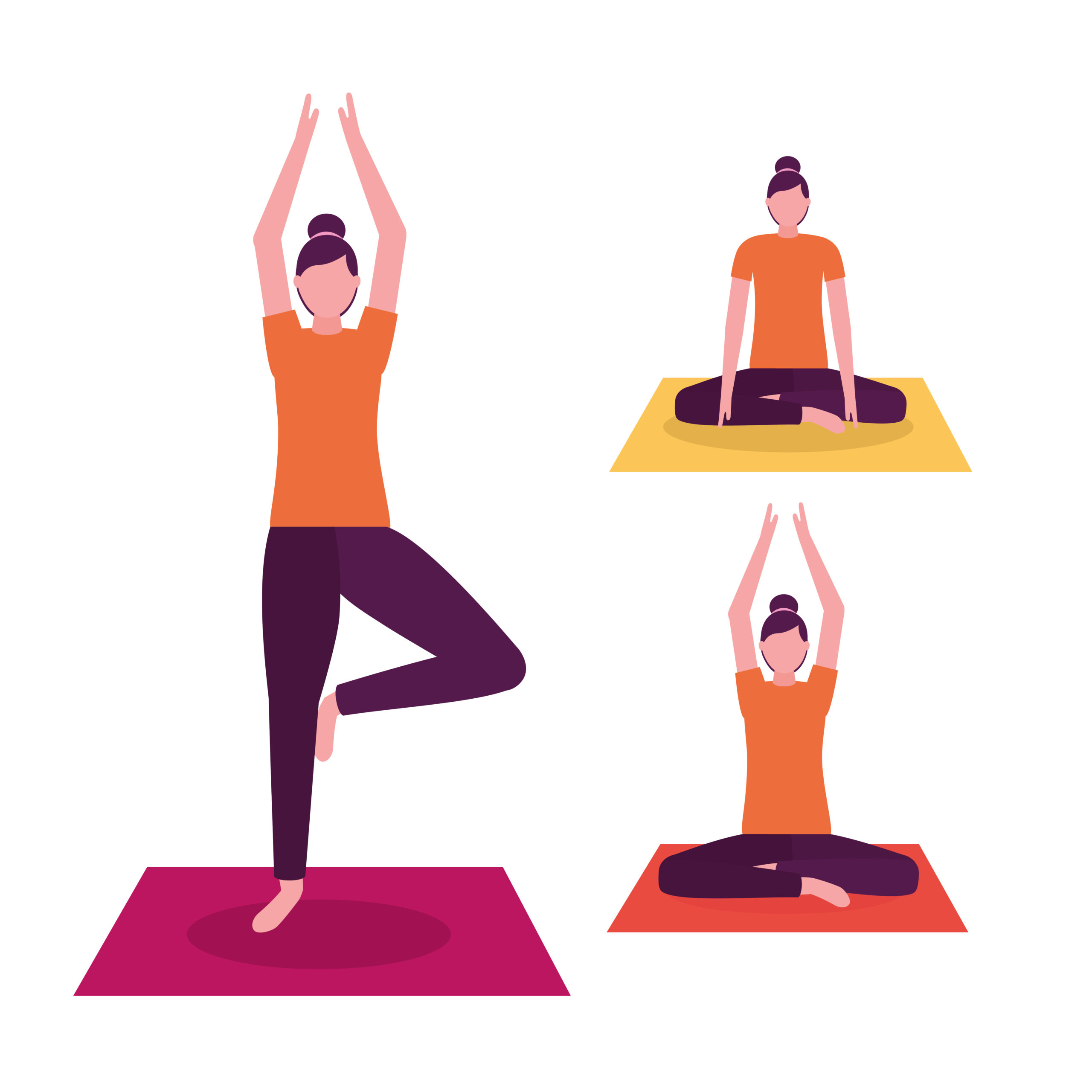
- Cross-legged on a yoga mat
- On a meditation cushion
- On a chair
- On the floor
- On a firm bed if necessary
Beginners do not have to sit in the lotus position.
Comfort and stability are more important than copying an advanced yoga posture.
Step 3: Relax Your Body
Before beginning, notice your body.
Relax your:
- Shoulders
- Jaw
- Forehead
- Hands
- Neck
You do not need to force your body into complete relaxation.
Simply notice areas of unnecessary tension and allow them to soften.
Step 4: Notice Your Breath
Bring your attention to breathing.
Notice:
- The air entering your nose
- The movement of your chest
- The movement of your abdomen
- The sensation of exhaling
Do not worry about making every breath deep.
Allow your breathing to remain natural.
Step 5: Choose One Focus
For beginners, the breath is often an easy meditation object.
You can also use:
- A mantra
- A sound
- A candle flame
- Body sensations
- A guided meditation recording
- A visualization
Choose one rather than trying to focus on everything at once.
Step 6: Notice When Your Mind Wanders
Your mind will wander.
That is normal.
You may think about:
- Work
- Family
- School
- Money
- Food
- Relationships
- Future plans
- Past events
Do not criticize yourself.
Simply notice:
“I am thinking.”
Then gently return to your chosen focus.
Step 7: Finish Slowly
When your meditation time ends, do not immediately jump up.
Take one or two natural breaths.
Notice your body.
Open your eyes slowly.
Then continue with your day.
(Also Read: Shambhavi Mahamudra: The Power Of Lord Shiva)

Best Meditation Techniques for Beginners
There are many meditation techniques, and beginners do not have to learn all of them at once.
1. Breath Awareness Meditation
This is one of the simplest techniques.
Sit comfortably and observe your natural breathing.
Whenever your mind wanders, return your attention to the breath.
Best for: Beginners who want a simple, equipment-free practice.
2. Mindfulness Meditation
Mindfulness involves paying attention to present-moment experiences without immediately judging them.
You may observe:
- Breathing
- Sounds
- Thoughts
- Physical sensations
- Emotions
The goal is awareness rather than forcing yourself to feel a particular way.
NHS guidance describes mindfulness as intentionally bringing attention to present-moment experiences and practicing this awareness regularly.
3. Body Scan Meditation
A body scan directs attention gradually through different parts of the body.
You may notice:
- Feet
- Legs
- Hips
- Abdomen
- Chest
- Shoulders
- Arms
- Hands
- Neck
- Face
You are simply observing sensations rather than trying to change them.
Best for: People who want to develop greater body awareness.
4. Mantra Meditation
A mantra is a word, phrase, or sound repeated during meditation.
The repetition can provide a stable focus for attention.
Beginners can use a simple neutral phrase or learn a traditional mantra from a qualified teacher within its appropriate tradition.
5. Loving-Kindness Meditation
Loving-kindness meditation focuses on cultivating attitudes such as kindness, goodwill, and compassion.
A beginner may silently repeat simple phrases wishing well-being for themselves and others.
Best for: People interested in compassion-focused meditation.
6. Guided Meditation
Guided meditation involves listening to instructions from a teacher or recording.
The instructor may guide you through:
- Breathing
- Body awareness
- Visualization
- Relaxation
- Mindfulness
- Compassion practices
Guided meditation can be particularly helpful when you are unsure what to do during your first sessions.
7. Walking Meditation
Meditation does not always require sitting still.
During walking meditation, you slowly and deliberately notice:
- Your feet touching the ground
- The movement of your legs
- Your breathing
- Your surroundings
This can be a useful alternative for people who find sitting meditation uncomfortable.
(Also Read: What Are The Benefits Of Udgeeth Pranayama?)

Best Time to Meditate for Beginners
There is no universally perfect meditation time. The best time is one you can maintain consistently.
Morning
Morning meditation can provide a quiet start before work, study, or household responsibilities.
Afternoon
A short session during the afternoon can provide a deliberate pause in the middle of the day.
Evening
Evening meditation may help you transition away from the day’s activities.
If meditation makes you sleepy, avoid practicing when you need to remain alert.
NHS guidance also recommends finding a routine that works for your schedule rather than treating one particular time as mandatory.
How Long Should Beginners Meditate?
There is no fixed amount of time that every beginner must meditate.
You can start with:
5 minutes → 10 minutes → 15 minutes
Increase gradually if you enjoy longer sessions.
Consistency is more important than forcing yourself to sit for a specific number of minutes.
For example:
5 minutes every day
may be a more realistic beginning than:
30 minutes once a week.
As meditation becomes familiar, you can decide whether longer sessions are appropriate for you.
(Also Read: What Is Murccha Pranayama Steps And Benefits)
What Should You Think About While Meditating?
This is one of the most common questions from people learning meditation for beginners.
The answer depends on the technique.
In breath meditation, you may focus on breathing.
In mindfulness meditation, you may observe thoughts, sounds, sensations, and emotions as they arise.
In mantra meditation, you may repeat a chosen phrase.
The objective is not to force your mind to become completely blank.
Instead, you are practicing awareness and returning attention when it wanders.

Meditation Before or After Yoga?
Both can work.
Meditation Before Yoga
Meditating before physical practice may help you settle your attention and become aware of your breathing and body.
Meditation After Yoga
Meditation after yoga may feel natural because physical movement and breathing practices can provide a transition toward stillness.
A Simple Combination
Try:
5 minutes breathing → 20–30 minutes yoga → 5–10 minutes meditation
Adjust the sequence according to your needs and the style of yoga you practice.
(Also Read: Anulom Vilom Pranayama And Its Benefits)
Final Thoughts:
Learning meditation for beginners does not require perfection. You do not need to stop thinking, sit in an advanced yoga posture, or meditate for an hour every day.
Start with five minutes.
Sit comfortably.
Notice your breathing.
When your mind wanders, return.
Then do it again tomorrow.
Over time, this simple practice can become a valuable part of your daily wellness routine. Research suggests meditation and mindfulness may support areas such as stress management, anxiety symptoms, and sleep quality, although the evidence varies and meditation should complement—not replace—appropriate healthcare.
FAQs:
Q. How should a beginner start meditation?
A. Start with 5 minutes in a comfortable, quiet place. Sit upright, relax your body, observe your natural breathing, and gently return your attention to the breath whenever your mind wanders.
Q. How long should a beginner meditate?
A. Five to ten minutes is a practical starting point. You can gradually increase the duration if you find longer sessions comfortable and useful.
Q. Can I meditate at home?
A. Yes. You can meditate at home without special equipment. A quiet area and comfortable sitting position are enough.
Q. Can I meditate while lying down?
A. Yes, some meditation practices can be performed lying down. However, sitting may be preferable if you tend to fall asleep.
Q. Do I have to clear my mind during meditation?
A. No. You do not need to eliminate thoughts. Instead, notice when your attention wanders and gently bring it back to your chosen focus.
Q. What is the easiest meditation for beginners?
A. Breath-awareness meditation is one of the simplest places to start because it requires no equipment. Simply observe your natural breathing and return your attention to it whenever your mind wanders.
Q. What is the best time to meditate?
A. The best time is the time you can practice consistently. Morning and evening are popular choices, but your personal schedule matters more than following a universal rule.
Q. Can meditation help reduce stress?
Research suggests mindfulness and meditation practices may help reduce some measures of stress and may support emotional well-being. However, results vary and meditation should not be presented as a guaranteed treatment.
Q. Can meditation help with sleep?
A. Some research suggests mindfulness meditation may improve sleep quality and may help with insomnia symptoms. However, meditation is not a replacement for professional assessment or evidence-based treatment for persistent sleep problems.
Q. Is meditation part of yoga?
A. Meditation can be practiced as part of some yoga traditions, but it can also be practiced independently. Yoga and meditation are related practices with different components and methods.
Q. Why do I feel distracted when I meditate?
A. Distraction is normal. Meditation involves noticing that your attention has wandered and gently returning it to your chosen focus.
Q. Should I meditate every day?
A. A regular practice can make it easier to develop meditation as a habit. Even a short daily session can be a practical starting point.

You May Also Like

Steps, Precaution And Benefi ...
15 November 2023

Shambhavi Mahamudra: The Pow ...
17 March 2021

11 Miraculous Benefits Of Me ...
04 March 2021
About Us
upashanayoga.com is the home of yoga. Here in upashanayoga.com we describe a lot of about yoga you never ever knew about.


Leave a Comment