


Yoga is not just a physical practice; it is a holistic approach to enhancing flexibility, strength, and mental clarity. Among the many powerful yoga asanas, Utthan Pristhasana, commonly known as the Lizard Pose, stands out for its deep hip-opening benefits and grounding effect on the body.
Whether you’re a beginner exploring yoga or an experienced practitioner looking to deepen your practice, this comprehensive guide will help you understand everything about Utthan Pristhasana or Lizard Pose from its meaning and preparation to its benefits and precautions.
What Is Utthan Pristhasana or Lizard Pose?
Utthan Pristhasana is derived from Sanskrit:
- Utthan = Stretch out or extend
- Pristha = Back or spine
- Asana = Pose
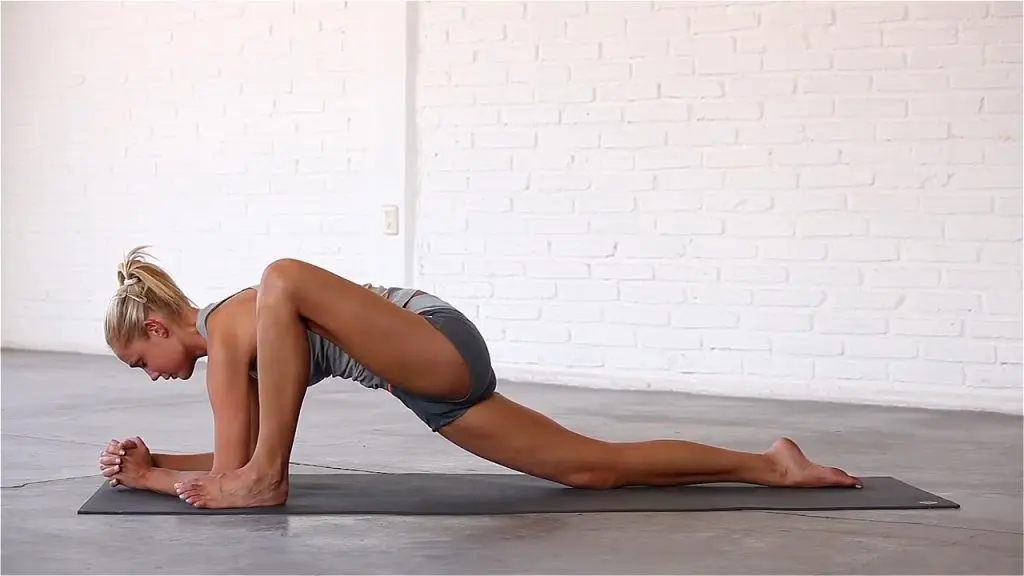
Together, it translates to an intense stretching pose that focuses on the hips, groin, hamstrings, and spine. The posture resembles a lizard stretching low to the ground, hence the name Lizard Pose.
This pose is commonly practiced in Vinyasa, Hatha, and Power Yoga sequences, especially in flows designed to open the hips and improve flexibility.
Utthan Pristhasana is considered a deep hip opener and is particularly beneficial for individuals who sit for long hours, as it helps release tightness in the lower body.
(Also Read: Marjaryasana-Bitilasana or Cat-Cow Pose: Benefits, Steps, Precautions & Complete Guide)
Preparation Poses Of Utthan Pristhasana or Lizard Pose
Before attempting Utthan Pristhasana, it is important to warm up your body and prepare the muscles involved. Jumping directly into the pose without preparation can lead to strain or discomfort.
Here are some effective preparatory poses:
1. Anjaneyasana or Low Lunge
Helps stretch the hip flexors and quadriceps, making it easier to enter Lizard Pose.
2. Adho Mukha Svanasana or Downward Facing Dog
Warms up the hamstrings, calves, and shoulders.
3. Marjaryasana-Bitilasana or Cat-Cow Pose
Improves spinal flexibility and prepares the back for movement.
4. Eka Pada Rajakapotasana or Pigeon Pose
Deeply opens the hips, which is essential for Utthan Pristhasana.
5. Baddha Konasana or Butterfly Pose
Enhances flexibility in the inner thighs and groin.
6. Uttanasana or Standing Forward Fold
Prepares the hamstrings and calves.
These preparatory poses ensure that your body is flexible enough to safely perform Lizard Pose while reducing the risk of injury.
(Also Read: Pranamasana Yoga or Prayer Pose: A Detailed Guide)
How To Do Utthan Pristhasana or Lizard Pose
Follow these step-by-step instructions carefully to perform the pose correctly:
Start in Downward Dog
Begin in Downward Facing Dog with your hands shoulder-width apart and feet hip-width apart.
Step Forward
Bring your right foot forward and place it outside your right hand.
Lower Your Hips
Sink your hips down toward the floor while keeping your back leg extended.
Position Your Hands
Keep your palms flat on the mat or lower onto your forearms for a deeper stretch.
Align Your Knee
Ensure your right knee is aligned with your ankle.
Engage Your Core
Keep your core engaged to support your spine.
Hold the Pose
Stay in the position for 5–10 breaths, breathing deeply.
Switch Sides
Return to Downward Dog and repeat on the left side.
Advanced Variations:
- Forearm Lizard Pose: Drop onto your forearms for a deeper stretch.
- Twisted Lizard Pose: Add a spinal twist by lifting one arm upward.
- Quad Stretch Variation: Bend the back knee and hold the foot.
(Also Read: Supta Vajrasana Yoga Pose: A Comprehensive Guide)
When To Do Utthan Pristhasana or Lizard Pose?
Timing plays an important role in yoga practice. Here’s when you should ideally perform Utthan Pristhasana:
Best Time:
- Early morning on an empty stomach
- Evening (at least 4–5 hours after a meal)
During Practice:
- After warm-up poses
- In the middle of a Vinyasa flow
- Before deep hip-opening sequences
Avoid Doing:
- Immediately after eating
- When muscles are cold
- During severe pain or injury
Practicing at the right time ensures maximum benefits and reduces the risk of strain.

Follow-Up Poses Of Utthan Pristhasana or Lizard Pose
After performing a deep hip opener like Lizard Pose, it is important to balance your practice with counterposes.
Recommended Follow-Up Poses:
Adho Mukha Svanasana or Downward Facing Dog
Helps neutralize the body.
Provides relaxation and spinal release.
Paschimottanasana or Seated Forward Fold
Stretches the hamstrings and calms the mind.
Setu Bandhasana or Bridge Pose
Engages the glutes and strengthens the back.
Spine Twist
Releases tension in the spine.
These poses help the body recover and maintain balance after intense stretching.
(Also Read: Pawanmuktasana or Wind Releasing Pose Steps And Benefits)
Benefits Of Utthan Pristhasana or Lizard Pose:
Utthan Pristhasana or Lizard Pose, is a powerful yoga posture known for its deep stretching and strengthening effects on the lower body. It is especially beneficial for improving mobility, releasing tension, and enhancing overall physical and mental well-being. Below are the key benefits of practicing this pose regularly:
1. Deep Hip Opening and Flexibility
One of the most notable benefits of Lizard Pose is its ability to deeply open the hips. It stretches the hip flexors, groin, and inner thighs, making it ideal for individuals who experience stiffness due to prolonged sitting. Regular practice helps increase flexibility and range of motion in the hip joints, which is essential for overall mobility.
2. Strengthens Lower Body Muscles
Utthan Pristhasana actively engages the legs, glutes, and core muscles. The back leg remains extended and strong, while the front leg supports the body’s weight. This helps build strength and stability in the lower body, improving balance and posture over time.
3. Improves Spinal Alignment and Mobility
By lengthening the spine and encouraging proper alignment, Lizard Pose helps improve spinal flexibility. It reduces stiffness in the lower back and promotes better posture, especially for people who spend long hours sitting or working at a desk.
4. Enhances Blood Circulation
This pose increases blood flow to the hips, legs, and pelvic region. Improved circulation helps deliver oxygen and nutrients more efficiently throughout the body, supporting muscle recovery and overall vitality.
5. Relieves Stress and Tension
Like many yoga poses, Utthan Pristhasana encourages deep, mindful breathing. This helps calm the nervous system and reduce stress levels. The grounding nature of the pose also promotes relaxation and mental clarity, making it beneficial for managing anxiety.
(Also Read: Uttanpadasana or Raised Legs Pose Steps And Benefits)
6. Supports Athletic Performance
Lizard Pose is particularly useful for athletes, especially runners and cyclists. It targets tight areas such as the hip flexors and hamstrings, which are often overused in sports. Improved flexibility and strength can enhance performance and reduce the risk of injury.
7. Reduces Lower Back Pain
Tight hips are a common cause of lower back discomfort. By opening and releasing tension in the hips, this pose helps alleviate pressure on the lower back. Over time, it can contribute to reduced pain and improved comfort in daily activities.
8. Improves Balance and Body Awareness
Holding the pose requires focus, stability, and control. This helps develop better balance and proprioception (awareness of body position). As a result, practitioners become more coordinated and mindful in their movements.
9. Stimulates Digestive Organs
The gentle compression of the abdominal area in Lizard Pose can stimulate internal organs, aiding digestion and promoting better gut health. It may also help relieve mild digestive discomfort.
10. Encourages Mind-Body Connection
Utthan Pristhasana requires concentration, breath awareness, and patience. Practicing it regularly helps strengthen the connection between the mind and body, fostering mindfulness and inner awareness.
Incorporating Utthan Pristhasana into your yoga routine can bring significant physical and mental benefits. With consistent practice, it can enhance flexibility, strength, and overall well-being while promoting a sense of calm and balance.
(Also Read: Surya Namaskar or Sun Salutation Steps and Benefits)
Precautions Of Doing Utthan Pristhasana or Lizard Pose
While Lizard Pose is highly beneficial, it must be practiced with caution:
1. Knee Injuries
Avoid or modify the pose if you have knee pain. Use padding under the knee.
2. Hip Issues
People with hip injuries should consult a professional before practicing.
3. Lower Back Problems
Maintain proper alignment to avoid strain.
4. Avoid Overstretching
Do not force your body into the pose.
5. Pregnancy
Practice only under expert guidance.
6. Use Props
Yoga blocks can support your hands or forearms.
7. Warm-Up is Essential
Never attempt this pose without preparing your body.
8. Listen to Your Body
Stop immediately if you feel sharp pain.
(Also Read: Padangusthasana or Big Toe Pose Steps and Benefits)
Conclusion:
Utthan Pristhasana, or Lizard Pose, is a powerful yoga asana that offers deep stretching, improved flexibility, and enhanced physical and mental well-being. It is particularly beneficial for opening the hips, strengthening the lower body, and relieving tension caused by prolonged sitting.
However, like any yoga pose, it should be practiced with proper preparation, alignment, and awareness. Incorporating this pose into your routine can significantly improve your mobility and overall yoga practice.
With consistent practice and mindfulness, Utthan Pristhasana can become a transformative addition to your wellness journey.
FAQs:
Q. Is Utthan Pristhasana suitable for beginners?
A. Yes, beginners can practice it with modifications such as keeping hands elevated on blocks.
Q. How long should I hold Lizard Pose?
A. Hold for 5-10 breaths on each side, gradually increasing as flexibility improves.
Q. Can Lizard Pose help with tight hips?
A. Absolutely. It is one of the best poses for opening tight hips.
Q. Does Utthan Pristhasana help in weight loss?
A. While it doesn’t directly cause weight loss, it supports an active lifestyle and improves metabolism.
Q. Can I practice this pose daily?
A. Yes, if done correctly and without strain, it can be practiced daily.
Q. What should I do if I can’t reach the floor?
A. Use yoga blocks or keep your hands on your thigh for support.
Q. Is Lizard Pose good for runners?
A. Yes, it improves hip flexibility and prevents injuries in runners.
Q. Can this pose relieve back pain?
A. Yes, by releasing tight hips, it can reduce lower back discomfort.

You May Also Like

Marjaryasana-Bitilasana or C ...
15 February 2026

Pranamasana Yoga or Prayer P ...
15 December 2025

Supta Vajrasana Yoga Pose: A ...
15 November 2025
About Us
upashanayoga.com is the home of yoga. Here in upashanayoga.com we describe a lot of about yoga you never ever knew about.


Leave a Comment